Turtle Tanks 101: Essential Tips for Keeping Your Turtle Healthy and Happy
One of the most important aspects of turtle care is providing them with a suitable environment. In this article, we'll share essential tips for keeping your turtle healthy and happy in their tank.
Choose the Right Tank Size
Turtles need plenty of space to swim, explore, and bask. As a general rule, your turtle's tank should be at least four times longer than their shell length and twice as wide. The tank should also be deep enough to allow the turtle to fully submerge. The water should be at least as deep as the length of the turtle's shell.
Use a Good Filtration System
Turtles are messy animals that produce a lot of waste, so it's important to have a good filtration system in place. A good filtration system will remove debris, organic matter, and harmful chemicals from the water. There are several types of filters you can use for your turtle tank, including mechanical, biological, and chemical filters.
Provide a Basking Area
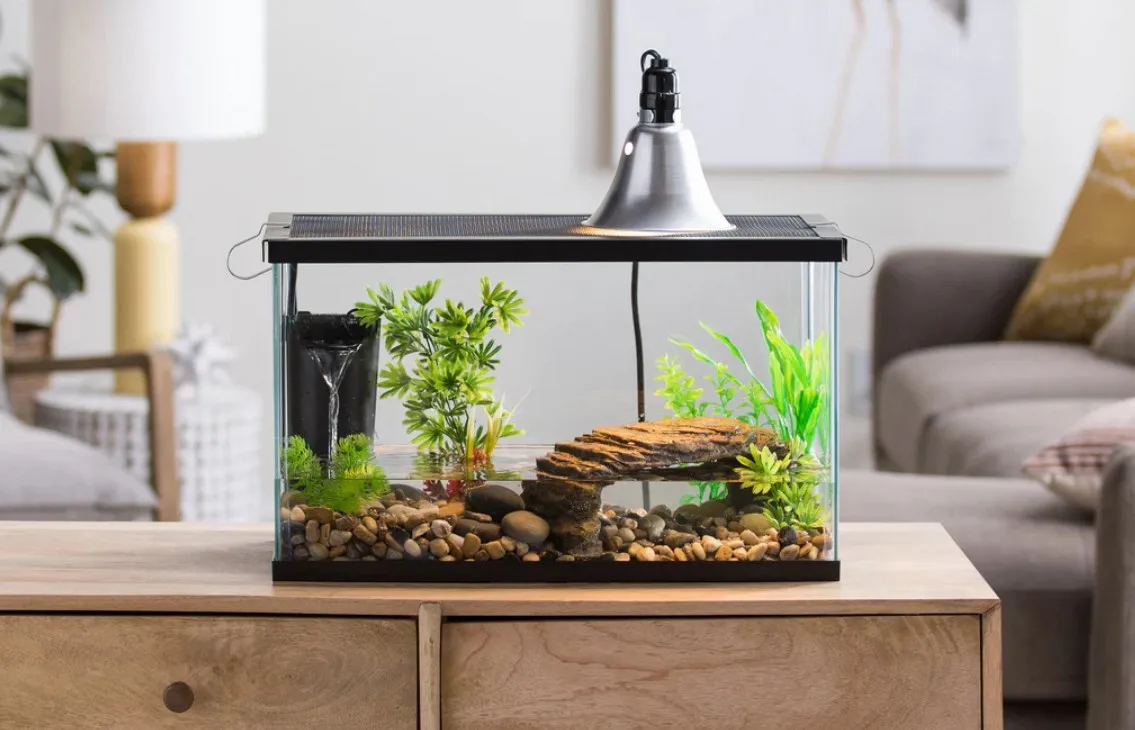
Turtles need a place to bask and dry off after swimming. You should provide a basking area that allows the turtle to climb out of the water and soak up some heat. The basking area should be large enough for the turtle to comfortably rest on and should be heated by a heat lamp. The temperature in the basking area should be around 90-95°F.
Use a UVB Light
Turtles also need UVB light to maintain their health. UVB light helps them synthesize vitamin D3, which is essential for calcium metabolism. Without enough UVB light, turtles can develop metabolic bone disease, a serious condition that can lead to deformities and fractures. You can provide UVB light by using a specialized bulb that emits the right wavelengths of light.
Choose the Right Substrate
Substrates are the materials that line the bottom of the turtle tank. They serve several purposes, including providing a surface for beneficial bacteria to grow, giving the turtle a place to dig and burrow, and making the tank look more natural. Some good substrate options include aquarium gravel, sand, and river rocks.
It's important to choose a substrate that is safe for your turtle and easy to clean. Avoid using any substrate that can be harmful to your turtle, such as small pieces of gravel that can be ingested.
Provide Hides and Decor
Turtles need places to hide and explore in their tank. You can provide hides by using rocks, logs, and plastic plants. It's important to choose decor that is safe for your turtle and easy to clean. Avoid using any plastic plants or decorations that can be harmful to your turtle.
Plants can also be a great addition to your turtle tank. Live or artificial plants can provide additional hiding spots for your turtle and help oxygenate the water. Just make sure to choose plants that are suitable for your turtle's habitat, as some plants can be toxic to turtles.
Monitor Water Quality
Maintaining good water quality is crucial for the health and well-being of your turtle. Turtles produce a lot of waste, so it's important to perform regular water changes and test the water for ammonia, nitrite, nitrate, and pH levels. You should also monitor the temperature and humidity in the tank and make adjustments as needed.
Provide a Balanced Diet
Turtles need a balanced diet that includes both animal and plant-based foods. You can feed your turtle a variety of foods, including commercial turtle pellets, fresh vegetables, and live or frozen prey such as crickets, worms, and shrimp.
It's important to avoid overfeeding your turtle, as obesity can lead to health problems. You should also provide a calcium supplement to help prevent metabolic bone disease.
Provide Regular Veterinary Care
Turtles can develop health problems just like any other pet. It's important to provide regular veterinary care for your turtle to ensure they stay healthy. Your veterinarian can perform routine check-ups, provide vaccinations, and treat any health problems that may arise.


评论
发表评论